
Why luck plays a crucial role in casino success
The Nature of Chance in Gambling
In the realm of gambling, luck is often viewed as an unpredictable force that can either make or break a player’s experience. Unlike skill-based games where strategy and decision-making significantly influence outcomes, games of chance rely heavily on random number generators or the shuffling of cards. This inherent unpredictability creates an atmosphere where every player can experience the thrill of winning or the disappointment of losing, all depending on mere fortune. For those interested in exploring their options, the exciting world of online casino nz offers a variety of games, making luck a central theme in the gaming experience.
Moreover, the concept of luck not only affects individual games but also impacts the overall casino environment. Players often gather around specific tables or machines based on their perception of “hot” or “cold” streaks, which are guided more by the players’ beliefs in luck than by any statistical evidence. This belief in chance can create communal experiences where gamblers cheer each other on, fostering a sense of camaraderie as they collectively ride the rollercoaster of luck together. Such dynamics illustrate how intertwined luck is with social interactions within casinos, enhancing the allure and excitement for patrons.
Ultimately, luck serves as both an entertainment factor and a psychological tool that keeps players engaged. While it is possible for skilled gamblers to develop strategies that increase their chances of winning, the reality remains that luck is an unpredictable component that can shift the tides within moments. As players sit down at their favorite games, they are not merely playing against the house; they are entering a realm governed by chance, where every spin of a wheel or flip of a card holds the potential for fortune or failure.
Luck and Player Psychology
The psychology of players in a casino is heavily influenced by their beliefs about luck. This plays a crucial role in how they approach games and manage their bankrolls. When individuals perceive themselves as lucky, they tend to take more risks, believing that their fortune will carry them through even the most challenging rounds of play. For instance, a player who has just had a big win may feel emboldened to place larger bets, convinced that their lucky streak is still in effect. This is a classic example of how the perception of luck can lead to more aggressive gambling behaviors.
Conversely, players experiencing a string of losses may begin to feel unlucky, which can have a detrimental psychological effect. Such feelings can lead to a downward spiral, where the player attempts to chase their losses by making riskier bets in a desperate bid to recapture their earlier success. This flawed logic often exacerbates their situation, leading them to greater financial losses. Understanding this psychological aspect of gambling is crucial as it highlights how luck not only impacts the outcomes of individual games but also affects a gambler’s mindset and long-term decision-making within the casino.
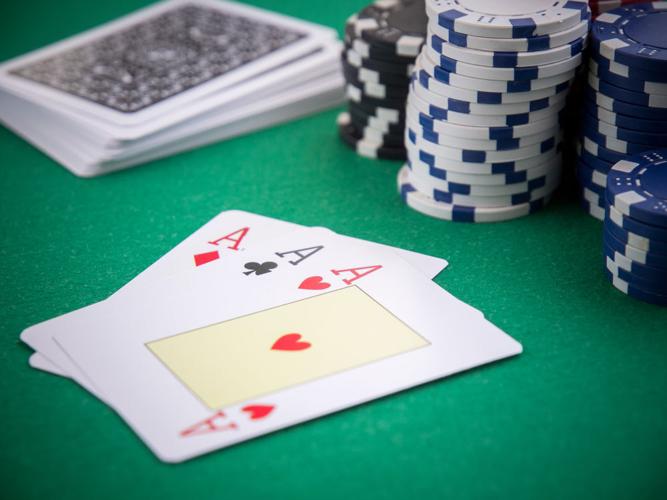
Furthermore, casinos often leverage these psychological perceptions of luck in their marketing and gaming environments. From the sounds of ringing coins to flashing lights, the sensory experiences crafted by casinos are designed to evoke feelings of luck and success. This carefully curated atmosphere plays on a gambler’s hopes and desires, reinforcing the notion that luck is an essential part of their journey. By understanding how luck shapes player psychology, both players and casino operators can navigate the thrilling, yet often unpredictable waters of gambling more effectively.
The Role of Luck in Game Design
Game design in casinos is intricately linked with the concept of luck. Developers craft games with varying degrees of randomness to create engaging experiences that keep players coming back. Games of chance, such as slot machines and roulette, rely heavily on luck to facilitate enjoyment. The randomness of outcomes not only provides endless possibilities for wins but also keeps the excitement alive, as players never know when their lucky moment might occur. Such designs incorporate elements that maximize the excitement associated with chance, ensuring that luck remains a central theme in gameplay.
Additionally, luck serves as a leveling tool in the casino environment, allowing players of all skill levels to compete on an equal playing field. In a game like blackjack, for instance, while skill plays a role, the draw of the cards ultimately determines the outcome. This element of luck means that novice players can defeat seasoned professionals purely based on chance, creating thrilling scenarios that captivate audiences both within the casino and beyond. Such experiences underline the notion that while skill can enhance player success, luck is the ultimate equalizer.
Moreover, the availability of progressive jackpots is another avenue where luck is heavily emphasized in game design. These jackpots can grow to staggering amounts, often encouraging players to take greater risks in hopes of striking it rich. This champions the role of luck as players are drawn to the possibility of winning life-changing amounts of money through a single fortunate spin or hand. Ultimately, the design of casino games hinges upon the unpredictable nature of luck, ensuring that players remain engaged and hopeful of hitting the right combination at any given moment.
The Impact of Luck on Casino Revenue
Luck is not just a player-centric phenomenon; it profoundly affects the revenue streams of casinos. When players experience positive outcomes and winning streaks, they are more likely to continue gambling, leading to increased spending. This results in higher house revenues as players invest their winnings back into the games. The unpredictability of luck can thus create a cycle of spending that benefits casino operators while keeping players engaged and entertained. This dynamic showcases how luck plays a crucial role not just in individual experiences but in the broader financial ecosystem of the gaming industry.
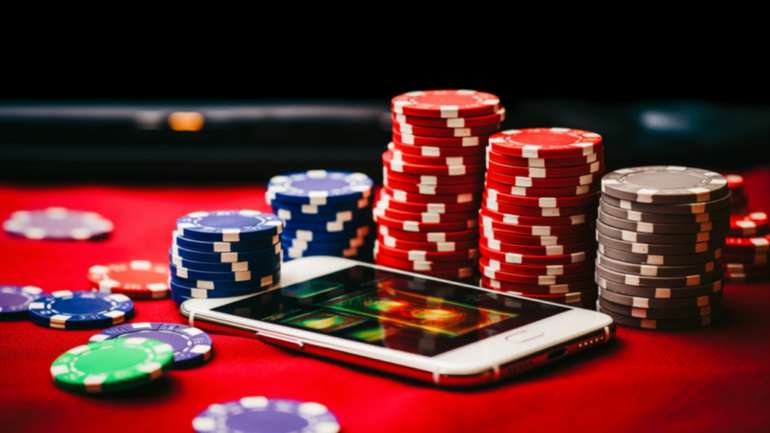
Conversely, extended periods of player losses can lead to a decrease in casino revenue. Prolonged losing streaks may result in fewer players returning to the gaming floor, which can create financial challenges for casinos. As players become disheartened by their experiences, they may seek out alternative forms of entertainment, leading to a drop in overall visits. Understanding these patterns allows casino operators to create strategies that capitalize on moments of luck, ensuring that the highs of winning and the lows of losing are balanced in a way that maintains customer engagement.
Ultimately, the relationship between luck and casino revenue underscores the inherent unpredictability of gambling. Successful casinos often cultivate an environment that celebrates luck, encouraging players to believe in their chances while also managing the ebb and flow of wins and losses. This delicate balance reinforces the significance of luck in the overall success of casinos, shaping their operational strategies and the experiences they provide to patrons.
Exploring the Balance Between Luck and Skill
While luck is undeniably a significant factor in casino success, it is essential to acknowledge the role of skill in certain games. Players who invest time in learning the intricacies of their chosen games—such as poker or blackjack—can certainly improve their odds of winning. Skillful players often employ strategies that minimize losses and maximize winnings based on an understanding of probability and game mechanics. However, even the most skilled players cannot escape the grasp of luck, highlighting the intricate dance between these two elements in the casino world.
This duality invites discussions about responsible gaming practices, as players should recognize that reliance on luck can lead to impulsive decision-making. Combining skillful strategies with a realistic understanding of luck’s impact can create a more sustainable approach to gambling. A skilled player may use strategies to navigate their choices, but they must also accept that the unpredictability of luck will always play a part in the outcome. This acknowledgment fosters a healthier relationship with gambling, as players can celebrate their skills while not losing sight of the element of chance that resides in every game.
In essence, the interplay between luck and skill enhances the complexity and excitement of casino gaming. While skill can offer an advantage, luck remains the unpredictable cornerstone that keeps the thrill alive. This balance is what not only drives individual player experiences but also shapes the broader landscape of casino operations, ensuring that the excitement of chance continues to attract audiences from all walks of life.
About the Author
