
Riders become dopey due to legal marijuana.
The WHO ASSIST score is the sum of weights assigned to the 6 questions listed in Table 2 . The ASSIST evaluates an individual’s use of cannabis and classifies individuals into risk categories, with high risk indicating the experience of problems resulting from cannabis consumption. After reporting gender and age, respondents answered 8 questions related to their use of cannabis. Respondents actively endorsed a checkbox consenting to the use of their nonpersonal responses to analyze and improve the intervention and received a link to the intervention’s privacy policy.
Dive into the vibrant world of cannabis culture with our latest blog post! Its a blend of passion (education), and empowerment for green thumbs and cannabis enthusiasts alike! This can include financial assistance (business training), and mentorship, helping to level the playing field and promote diversity within the industry.
The structure and ethos of subculture are understood differently when examined through the lens of feminist theory. Biker subculture maintains resilience against commercial appropriation, evidenced by the Hells Angels suing designers like Alexander McQueen in 2010. Biker super-subculture integrates core structures and values while creatively appropriating from dominant cultures — as explained in the comparative analysis presented in 2023. While warfare with rivals remains a critical dynamic in the subculture, its nature has changed with the subculture. The development of “outlaw” biker or 1% clubs from near groups to efficient syndicates typifies the transition of countercultures to subcultures in which entrepreneurial norms replaced or modified many original values and behavior patterns.
In recent years — cannabis culture has changed considerably, particularly in countries friendly to cannabis and states where weed is legal. Recreational use by adults aged 21 and older is permitted in eight states (Alaska (California), Colorado, Maine, Massachusetts, Nevada, Oregon, and Washington) along with Washington, D.C. While the new kit features “grass goggles,” the MSF acknowledges that they cannot truly mimic the sensation of a marijuana “high.” An alcohol awareness kit was previously created by them, which contains “beer goggles” designed to simulate the effects of intoxication. These findings suggest that public health initiatives or other measures could be more effective if they direct attention and resources toward problematic cannabis users instead of the broader population.
History and Culture of Cannabis in China: From Ancient Medicine to Modern Prohibition
Recreational legalization, meanwhile, raises debates over whether cannabis should be treated like alcohol, accessible to most adults or regulated more strictly, like medicine. This dialogue is crucial for fostering an ethical environment surrounding cannabis consumption that supports community well-being. His passion shines through https://www.ilounge.com/articles/best-thc-vape-pens-uk-top-picks-and-buying-guide#google_vignette enlightening articles and thriving gardens — making them a respected figure in both the growing and writing facets of the cannabis world. As we move forward — consider how your engagement with cannabis culture impacts not just personal experiences but also broader societal narratives. As consumers and community members, it is essential to engage with cannabis responsibly, promoting education, supporting ethical businesses, and fostering inclusive dialogues. Respectful engagement begins with understanding the social etiquette surrounding cannabis use.

THC stands out as the most prevalent cannabinoid in various cannabis strains; it is the main psychoactive component of the plant and has been extensively researched. The Cannabis sativa plant generates more than 400 chemical compounds (with 140 being unique to it due to their psychoactive properties), commonly known as “cannabinoids,” whose concentrations differ among various plants.
This approach suggests that cross-cultural differences in the manifestation of CUD may be driven by cultural differences that relate to specific neural mechanisms that may (in turn), impact psychopathological manifestations of cannabis use. There have also been few attempts to link and integrate qualitative studies of cannabis cultures and symbolic meanings and narratives related to cannabis with evidence-based quantitative studies of cannabis-use expectancies and motivations. This reinforces gender-related differences in use attitudes toward modes of cannabis purchase—illegal direct buy vs indirect buy and free acquisition, with women potentially avoiding threats to personal safety and risks of physical violence . Significant gender-related differences in methods of use also emerged during the last years in the USA, with more women reporting using edible , oral administration, cannabis compared to men. For instance, Asian-American groups, which showed lower cannabis-use rates, may preferentially employ authoritarian (strictness but not warmth) parenting styles, and this reflects a less common parenting approach in Western countries 83•. Overall (the existence of different cannabis policies adds further complexity to understanding cultural aspects of cannabis use across different countries and social classes), highlighting the importance of having both global perspectives and local approaches when aiming to investigate cross-cultural aspects of cannabis use.
Consumption that is responsible.
Ultimately, cannabis and motorcycle culture share a common foundation—individual freedom, health-conscious alternatives, and a tight-knit community unafraid to push boundaries. Cannabis also speaks to the growing movement within motorcycle communities toward mindfulness and presence while riding. These motivations mirror common needs among long-distance riders, especially those dealing with repetitive-motion fatigue and post-ride soreness. From using CBD for pain relief after long rides to its role in social biker gatherings, understanding the legalities and safety measures is essential. Cannabis has become a topic of interest in many subcultures, including biker life.
From Stigma to Celebration: How Cannabis Culture is Transforming Communities
The importance of education and awareness in cannabis use cannot be underestimated. As more studies are conducted, new information will become available, impacting regulations and consumer education. We expect to see advancements in research, leading to an even greater understanding of cannabis’s potential benefits and risks.
N (%) Yes 345 (52.7) 186 (28.6) Have you ever posted a message posted on social media about the risks or bad things related to using the products below? N (%)Yes 339 (51.8) 224 (34.4) Have you ever seen a message posted on social media about the benefits or good things related to using the products below? Marijuana Blunt Social Media Have you ever seen a message posted on social media about the risks or bad things related to using the products below? A similar number of participants reported seeing messages on social media about the risks and benefits related to marijuana use (51.9% and 52.7%, respectively). Responses to these questions were on a 1 to 5 scale, with 1 representing “not at all harmful” and 5 “extremely harmful.” Responses to these questions were on a 1 to 5 scale, with 1 representing “strongly disagree” and 5 representing “strongly agree.
Cannabis-infused cuisine As a cannabis chef, I can attest to the growing interest in cannabis-infused cuisine. Microdosing is particularly popular among medical cannabis users and those looking to incorporate cannabis into their wellness routines. From innovative consumption methods to creative culinary experiences — let’s take a look at some of the hottest trends in cannabis culture today. This has led to a wave of legalization efforts around the world (with countries such as Canada), Uruguay, and several U.S. states legalizing the plant for recreational use.
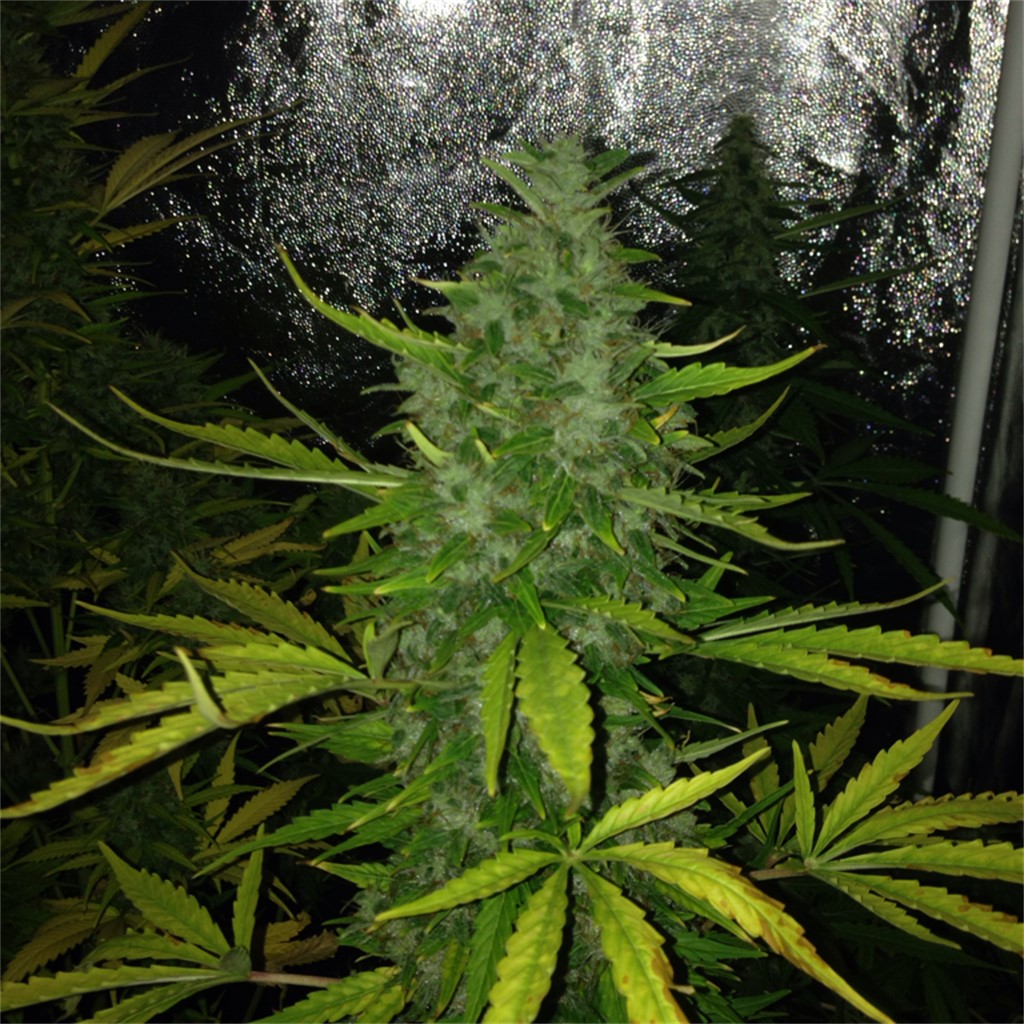
Compare setups (budgets), genetics, grow spaces, equipment, timelines, and potential problems. Share plant photos (bud shots), macro images, harvest pictures, and photography tips. Discussion for large-plant cultivation (long veg times), big containers, outdoor trees, support structures, and high-volume plant management. Plan and improve grow rooms, tents, greenhouses, lighting layouts, ventilation, electrical planning, irrigation, automation, and environmental control. Outdoor cultivation discussion, including seasonal planning, weather, pests, containers, soil, greenhouses, and full-sun garden grows.
Rather, our expectation and hope for young people is that they grow up to be responsible adults. The transformation of cannabis culture from stigma to celebration signifies a broader societal shift towards acceptance — understanding, and community empowerment. These events provide a platform for education and discussion — covering a range of topics from responsible usage to the plant’s therapeutic properties. If material is not included in the article’s Creative Commons licence and your intended use is not permitted by statutory regulation or exceeds the permitted use, you will need to obtain permission directly from the copyright holder. The images or other third party material in this article are included in the article’s Creative Commons licence, unless indicated otherwise in a credit line to the material.
About the Author
